
A mind is sealed. What is inside one head cannot reach another directly; it has to be encoded into something outside, carried across, and rebuilt on the far side, and something is always lost in the crossing. Everything we have ever called a medium exists to make that crossing wider and that loss smaller. This is the story of that search, and of the step we are building next.
And yet, to be misunderstood is the fate of the like of us. — Johann Wolfgang von Goethe, The Sorrows of Young Werther (1774)
The bottleneck is comprehension
Progress is usually told as the accumulation of knowledge. Underneath, it is something simpler: the falling cost of moving knowledge from one mind to another. A discovery no one can absorb changes nothing; a plan no one can follow moves nothing. Every civilization-scale leap (writing, printing, the press, the network) was a communication breakthrough first, and everything else followed from it.
For most of history, the scarce resource was intelligence itself. That scarcity is ending. AI already produces intelligent output faster, and in greater volume, than any human or institution can read, verify, or act on. And as it advances toward superintelligence, it will generate more in a day than we could study in a year. The world was already denser with knowledge than any mind could hold; now a tireless new source adds to it every second.
The evolution of the medium
Read the whole of it from far enough away and it points one direction: the distance between what a person means and what another receives has narrowed for four thousand years, slowly, unevenly, but never in reverse. It began with a mark that outlived the hand that made it.
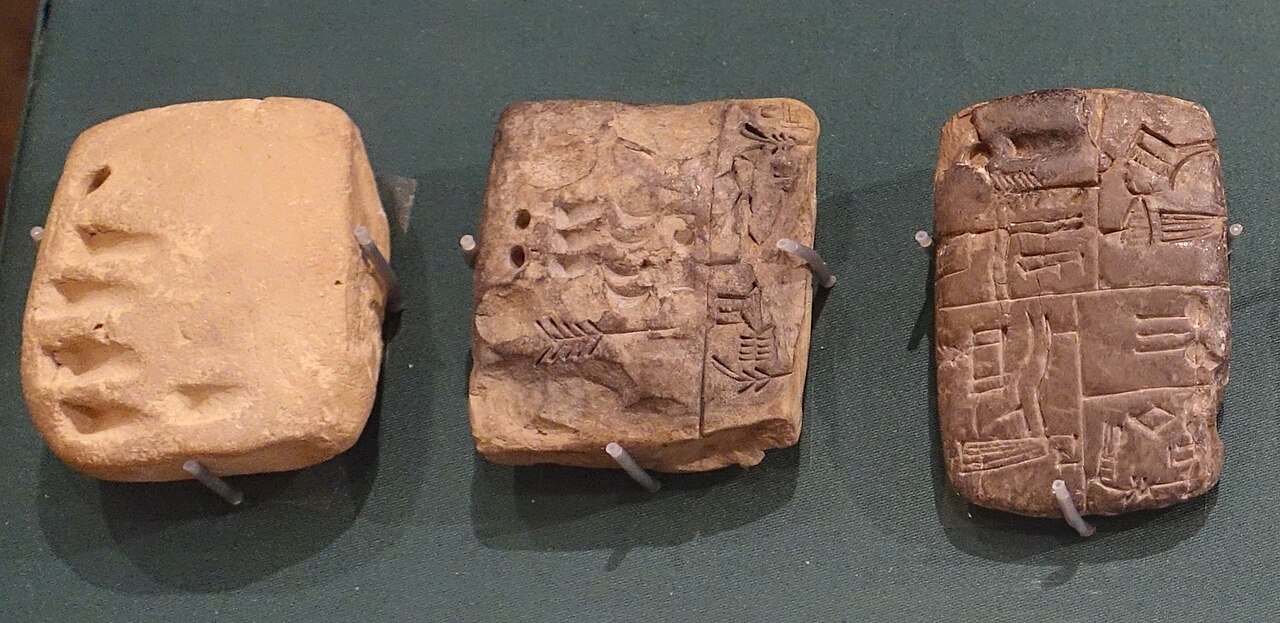
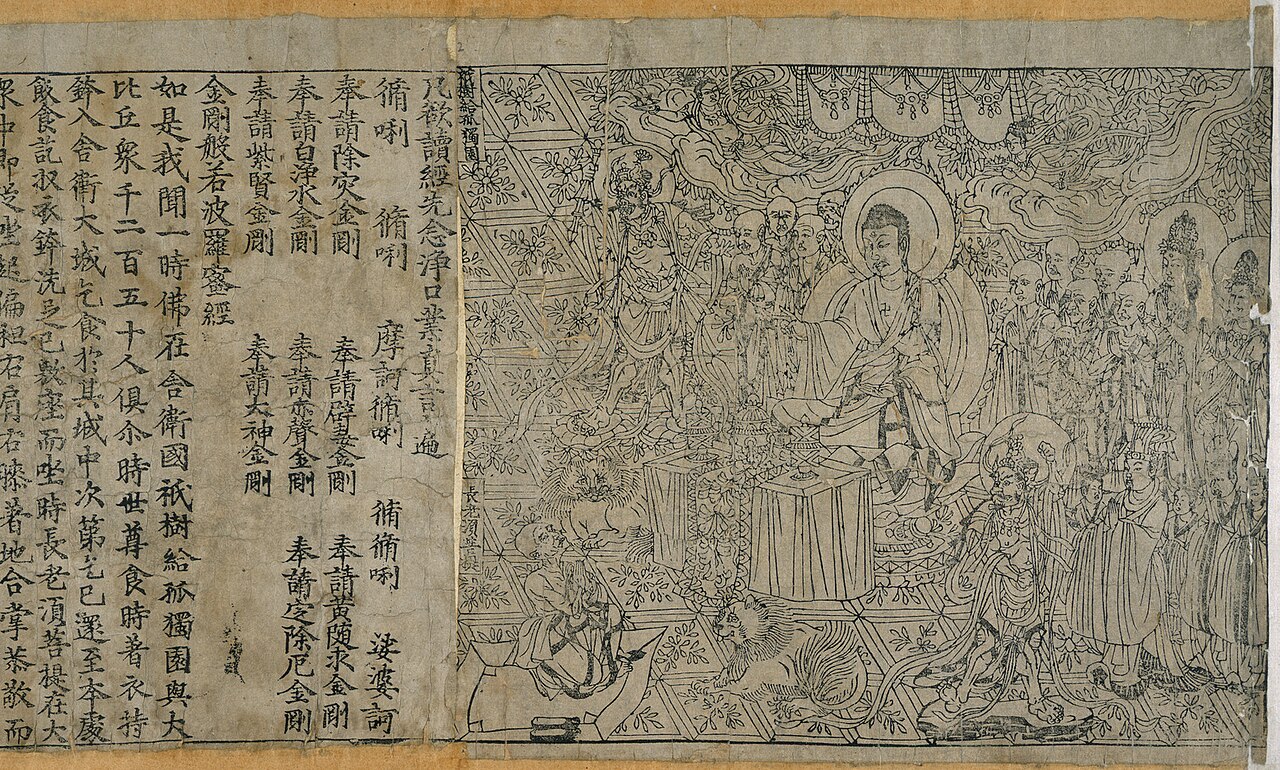
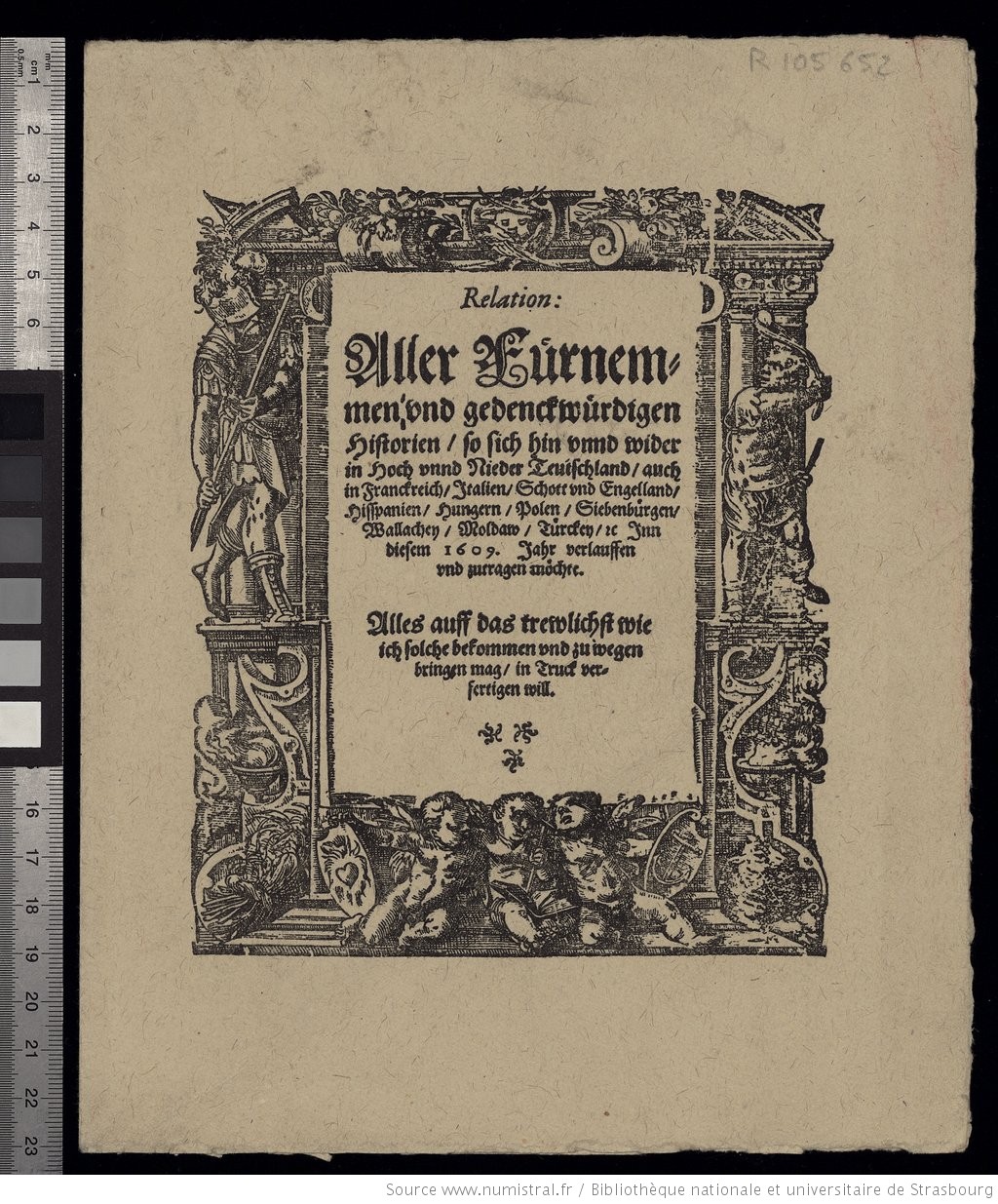
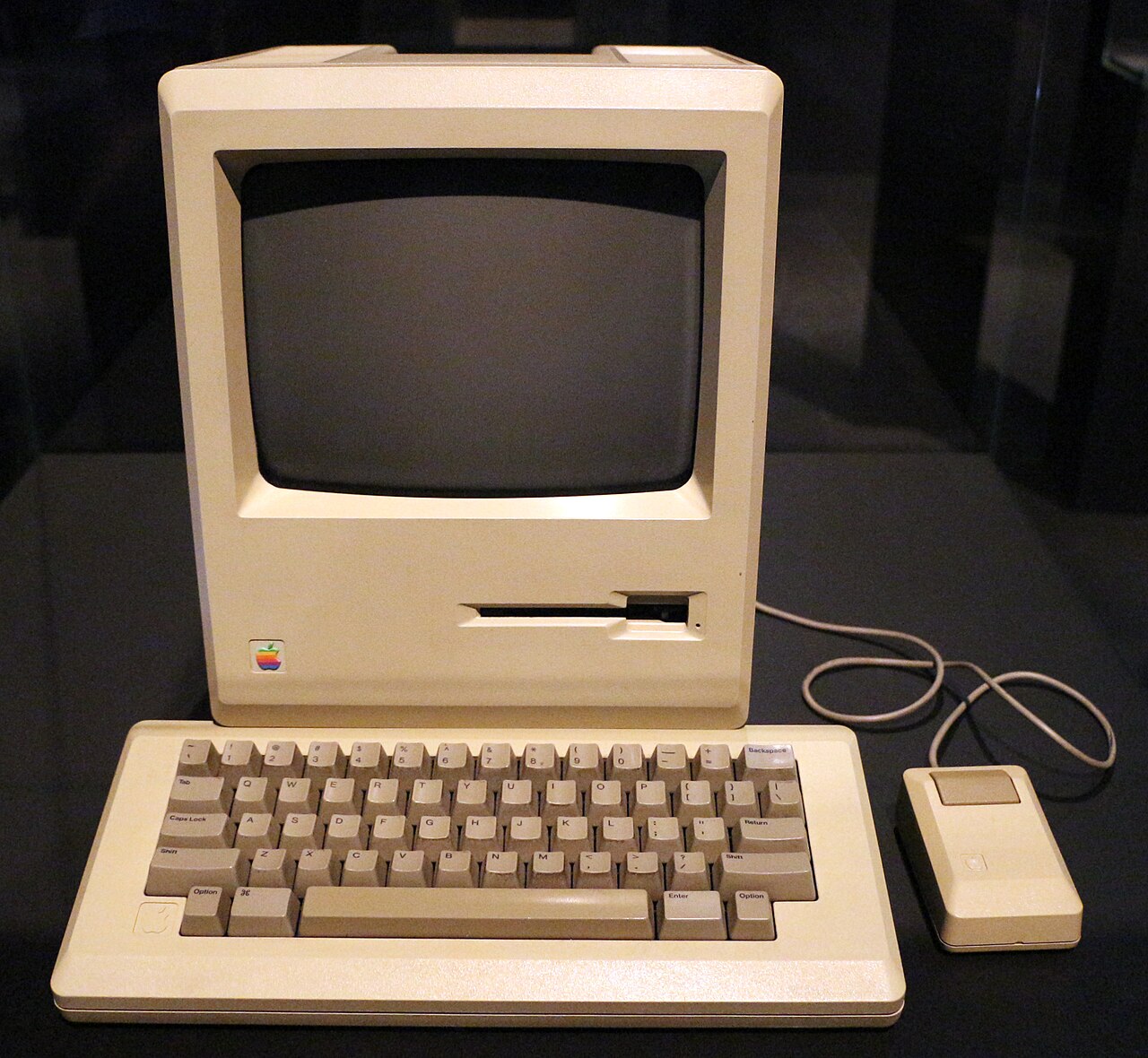
Two things repeat at every step: a richer way to encode a thought, and a new network to carry it. The scriptorium, the press, the broadcast tower, the platform. Each one lost a little less than the last.
Video becomes both content and interface
Everything we build falls on one side of a line. Content (the book, the film, the video) carries a maker's meaning and passes it to you; you receive it, you do not reach in. The interface (the newspaper, the dashboard, the graphical UI) lays a machine's information out so you can read it and act. You could watch, or you could operate, never both in one object, because content was frozen and interfaces were empty. Both were built in advance, before they ever met you.
Video was always the richest content we could make, and never an interface: you could watch it, never reach into it. Generative AI dissolves that line, inside video specifically. When a model makes the video in real time, the recording becomes a live surface: every element is a handle, every question branches the story, any next scene is generated from any point. The thing you watch is the thing you operate.
What we are building
SigmaZ AI Lab is an interactive intelligence lab. We use generative AI to do two things at once: help machines communicate with people, and help people communicate with each other, by turning explanation itself into something you can watch, question, and reshape in real time.
At the heart of it, we are building a video-native model: one whose native output is not a wall of text but a living, interactive scene. It is dedicated to a single purpose: giving an AI a way to express its thoughts in the fullest bandwidth a human can receive.
Tap8 is the first expression. Ask it how something works and it does not hand you a page; it generates a small, living world you can take apart and question, watchable like video, operable like software, true like code, made on demand and reshaped around what you just did. It self-improves with every session, and it adapts, arriving one way for the expert and another for the beginner.
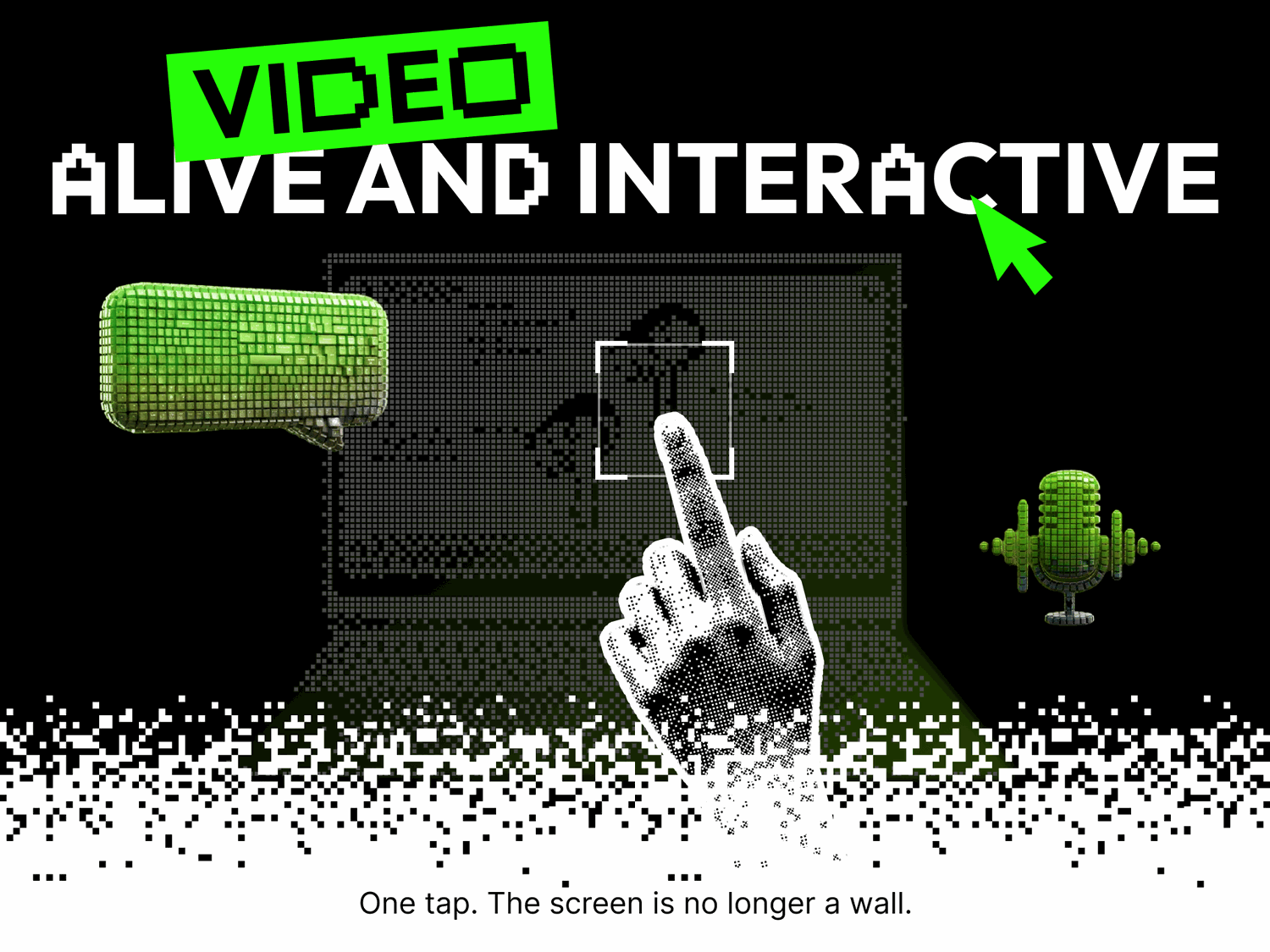
And it matters twice over. It changes how people speak to people, and how the coming population of AI agents speaks to us. As machines begin to decide faster than any of us can read, a transcript is not an interface; we will need to see what they are doing, and reach in. The medium that closes the gap between two human minds is the same one that keeps us in the loop with our own machines.
Why it matters
The far end of this search is a medium that places an idea in you exactly as it stood in the mind that held it, nothing compressed, nothing lost. Call it telepathy; the technology is not there, and may be far off. But the arc has never needed to finish to keep moving. Four thousand years ago we learned to make a thought outlive its owner. We have been reducing the loss ever since, and every reduction has moved civilization forward. This is the next one, and we are building it in the open.
Tell us what you think, join us
If you believe the interface to intelligence deserves more than a scrolling wall of text, as someone who wants to back it or to build it, we would like to talk, and we're hiring. Reach out at william@sigmatrx.ai. You can also directly Contact Us.
Citation
Please cite this work as: